+91 9759055511
+91 9759055522
info@rimsdun.com

WHAT SKILLS DO STUDENTS LEARN DURING HOTEL MANAGEMENT TRAINING?

A successful career in hospitality begins with practical training. Students need more than classroom knowledge. They need to know how to welcome guests, manage requests, prepare rooms, serve food, and handle unexpected situations with confidence. This is where hotel management training plays an important role.
Choosing the No.1 Hotel Management College in Dehradun can give students the opportunity to learn these skills through practical classes, internships, and industry exposure. Instead of only studying how a hotel operates, students get to understand how different departments work and how their roles connect to create a smooth guest experience. Through practical sessions and industry exposure, they learn how to apply these skills in real hospitality settings and work effectively with both guests and colleagues.
In this guide, we will look at the key skills students can develop during hotel management training and how each one can help them build a successful hospitality career.
What Skills Do Students Learn During Hotel Management Training?
Hotel management training combines classroom learning with practical experience to prepare students for real hospitality workplaces. While the curriculum varies by course and institute, students generally develop these 10 important skills that can help them build a successful career in the hospitality industry
1. Front Office and Guest Handling
Students learn reservations, check-in and check-out procedures, guest assistance, query handling, and basic front office operations. They also learn how to communicate with guests professionally and manage common situations at the front desk.
2. Food Production and Culinary Skills
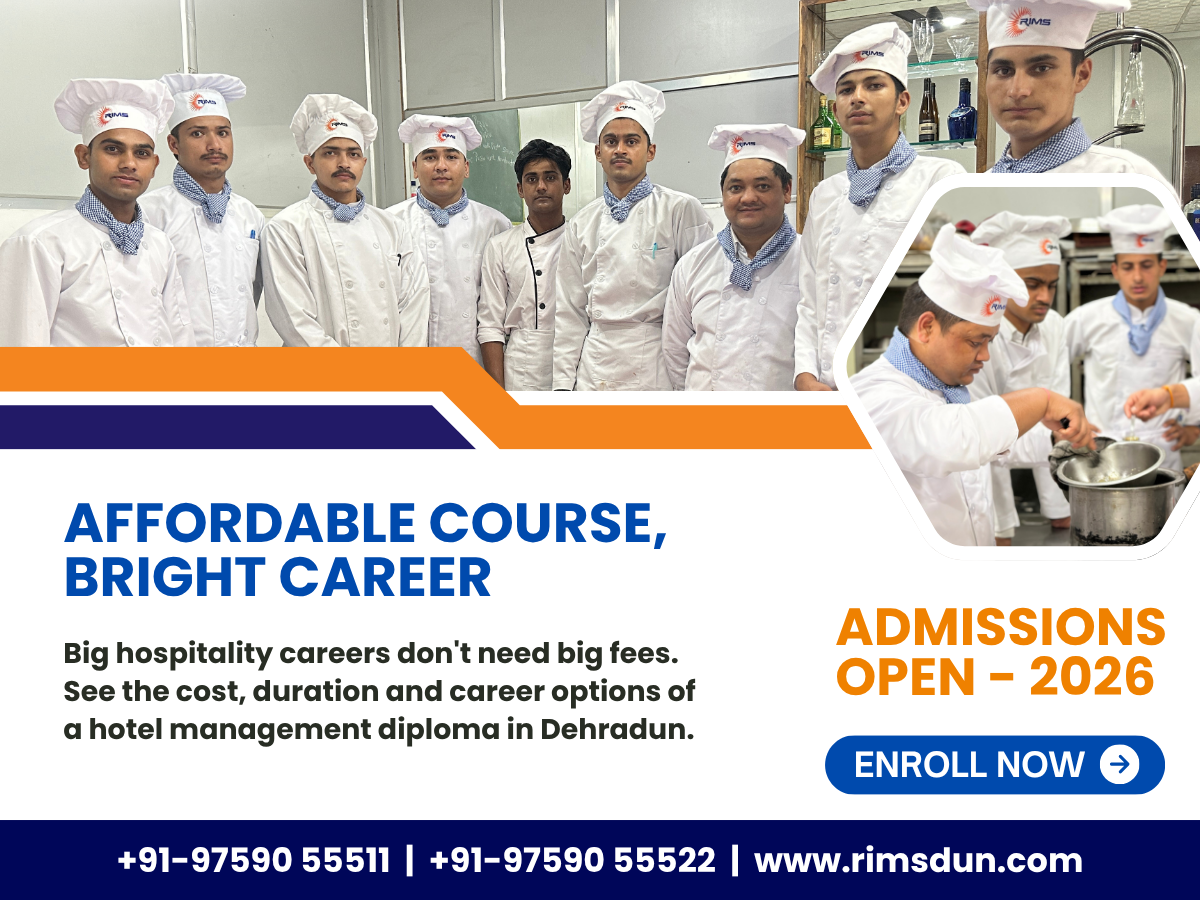
Training covers food preparation, basic cooking techniques, kitchen operations, food presentation, and kitchen hygiene. Students also learn how to maintain cleanliness, follow kitchen procedures, and work efficiently in a professional kitchen.
3. Food and Beverage Service
Students learn restaurant service, table setting, order taking, serving techniques, menu knowledge, and guest interaction. Practical sessions help them understand how to provide timely and professional service in restaurants, hotels, and banquet settings.
4. Housekeeping Operations
Students develop skills in room cleaning, bed making, linen handling, room preparation, hygiene, and basic housekeeping procedures. They also learn the importance of cleanliness, organisation, and attention to detail in maintaining guest rooms and public areas.
5. Communication and Customer Service
Students learn how to communicate professionally, understand guest needs, respond to requests, and handle complaints effectively. Strong communication is one of the most important hospitality skills and is useful across almost every hotel department.
6. Teamwork and Coordination
Hotel operations require different departments to work together smoothly. Students learn teamwork, cooperation, responsibility, and effective workplace communication through practical activities and group tasks.
7. Time Management
Students learn to prioritise tasks and work efficiently while managing schedules, guest requirements, service timings, and busy periods. This helps them adapt to the fast-paced nature of hospitality workplaces.
8. Problem-Solving and Decision-Making
Practical exercises help students learn how to handle guest complaints, service issues, unexpected situations, and workplace challenges. They develop the ability to assess situations, find practical solutions, and remain calm under pressure.
9. Food Safety and Hygiene
Students learn essential practices related to personal hygiene, food safety, sanitation, safe food handling, and workplace safety. These skills help maintain health, cleanliness, and service standards in hotels and food-service environments.
10. Practical Training and Industry Exposure
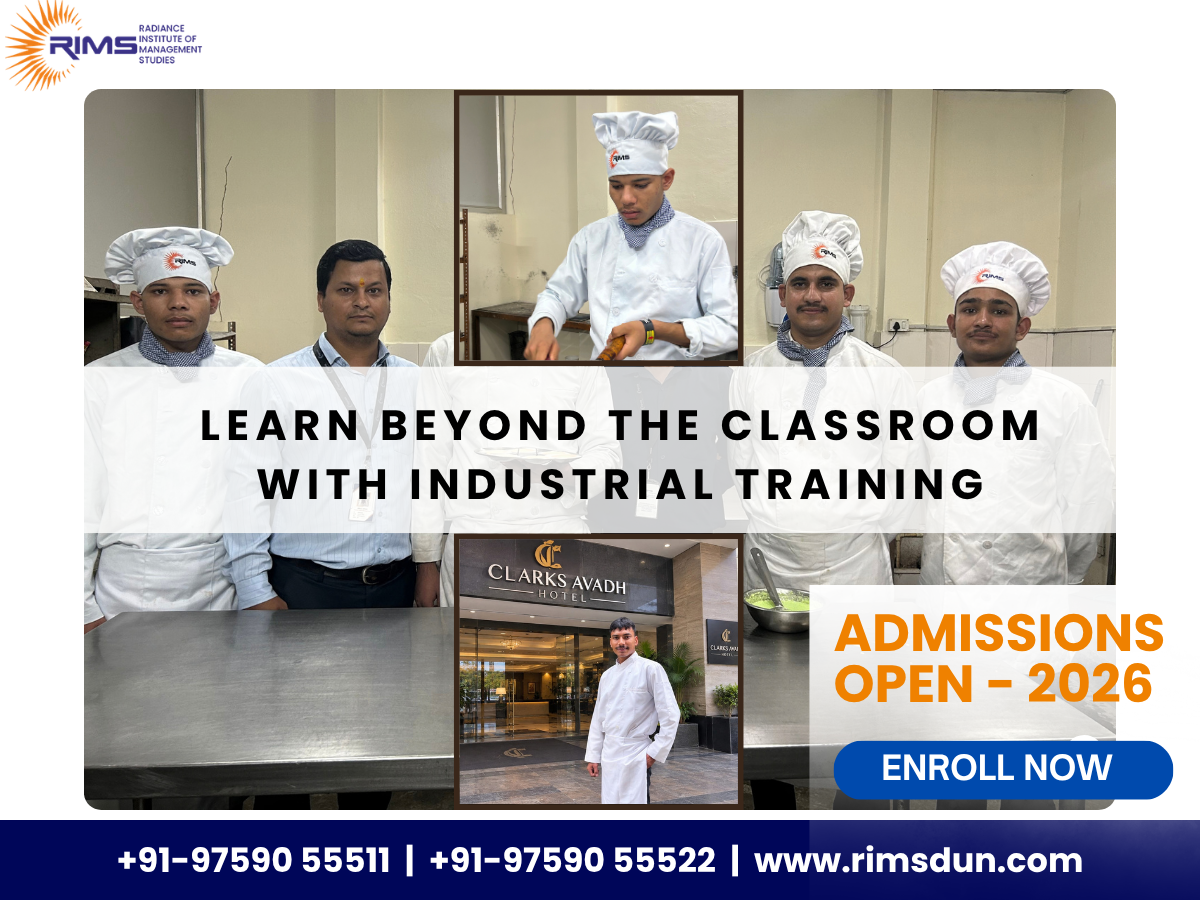
Internships, practical sessions, hotel visits, and industrial training give students exposure to real hotel operations. This experience helps them understand workplace expectations, interact with guests, work with teams and become more confident and job-ready.
How Do These Skills Help Students Build a Career in the Hospitality Industry?
The skills gained during hotel management training can help students qualify for different roles across the hospitality sector and take their first steps toward a career in the hospitality industry. For example, front office and guest-handling skills can support roles in reception and guest relations, while food production and food service training can prepare students for kitchen and restaurant positions. Housekeeping knowledge can lead to opportunities in hotel housekeeping departments, while communication, teamwork and problem-solving skills are useful across almost every hospitality role.
In Dehradun, students can explore opportunities in hotels, resorts, restaurants, cafés, catering companies, event services, and other tourism-related businesses. With practical experience and further training, they can gradually move from entry-level positions to supervisory and managerial roles. This makes hotel management training a useful starting point for students who want to develop the skills and experience needed for long-term growth in the hospitality industry.
How to Choose the Right Hotel Management College in Dehradun
Students searching for the best hotel management college in Dehradun should compare factors such as practical training, course structure, industry exposure, internships, faculty, facilities, and career support rather than relying only on the institute's name or reputation.
Radiance Institute of Management Studies (RIMS) focuses on combining classroom education with practical training to help students understand both the theory and day-to-day operations of the hotel industry. Students get exposure to key areas such as front office operations, housekeeping, food and beverage service, food production, guest handling, and hotel management.
This broad approach helps students understand how different departments work together to provide efficient and professional service. Along with technical knowledge, students can develop important hospitality skills such as communication, teamwork, customer service, time management, problem-solving, and professional behaviour.
Conclusion
Hotel management training helps students build a combination of technical, professional, and interpersonal skills. They learn how different hotel departments operate while developing communication, customer service, teamwork, time management, problem-solving, and professional etiquette. The most useful training is not simply about completing a syllabus. It should give students opportunities to learn, practise, make mistakes, receive feedback, and understand how hospitality operations work in real situations. If you are planning a career in hospitality industry, compare hotel management institutes carefully. Look at their practical training, course structure, industry exposure, faculty, internships, and career support before making a decision.
Frequently Asked Questions
1. What skills are taught in hotel management training?
Students learn front office, food production, housekeeping, guest service, communication, teamwork, and problem-solving skills.
2. Is hotel management mostly practical or theoretical?
It combines classroom learning with practical training to help students apply what they learn.
3. What skills are important for a career in hospitality industry?
Communication, customer service, teamwork, time management, adaptability, and problem-solving are essential.
4. Do hotel management students learn cooking?
Yes, many programmes include food production and basic culinary training.
5. Do students learn front office operations?
Yes. Training may include reservations, check-ins, check-outs, guest handling, and telephone etiquette.
6. Why is communication important in hotel management?
Good communication helps employees understand guest needs and provide professional service.
Recent Blogs



RADIANCE INSTITUTE OF MANAGEMENT STUDIES (RIMS) registered under the aegis of Radiance Educational & Social Welfare society.. Read More

© 2026 All Rights Reserved. Developed By ERAONS